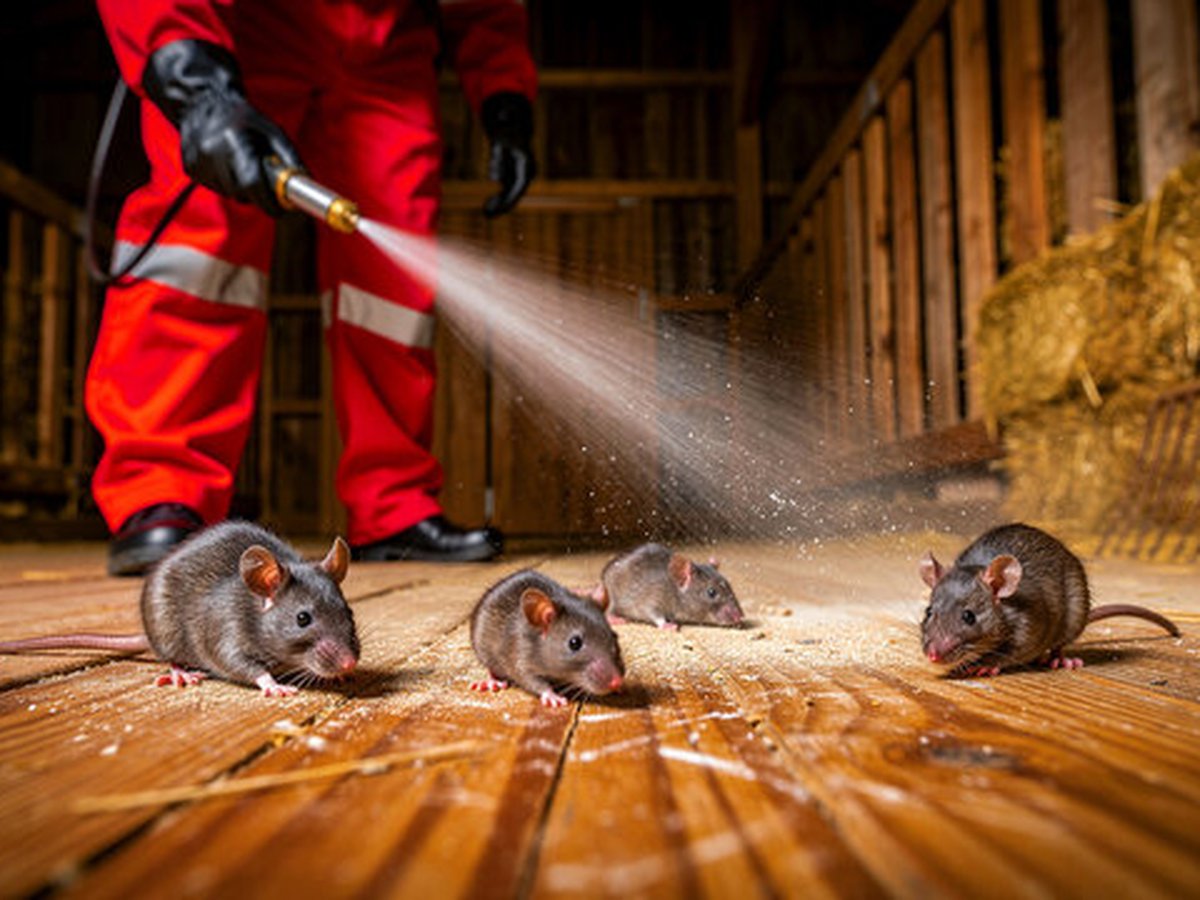
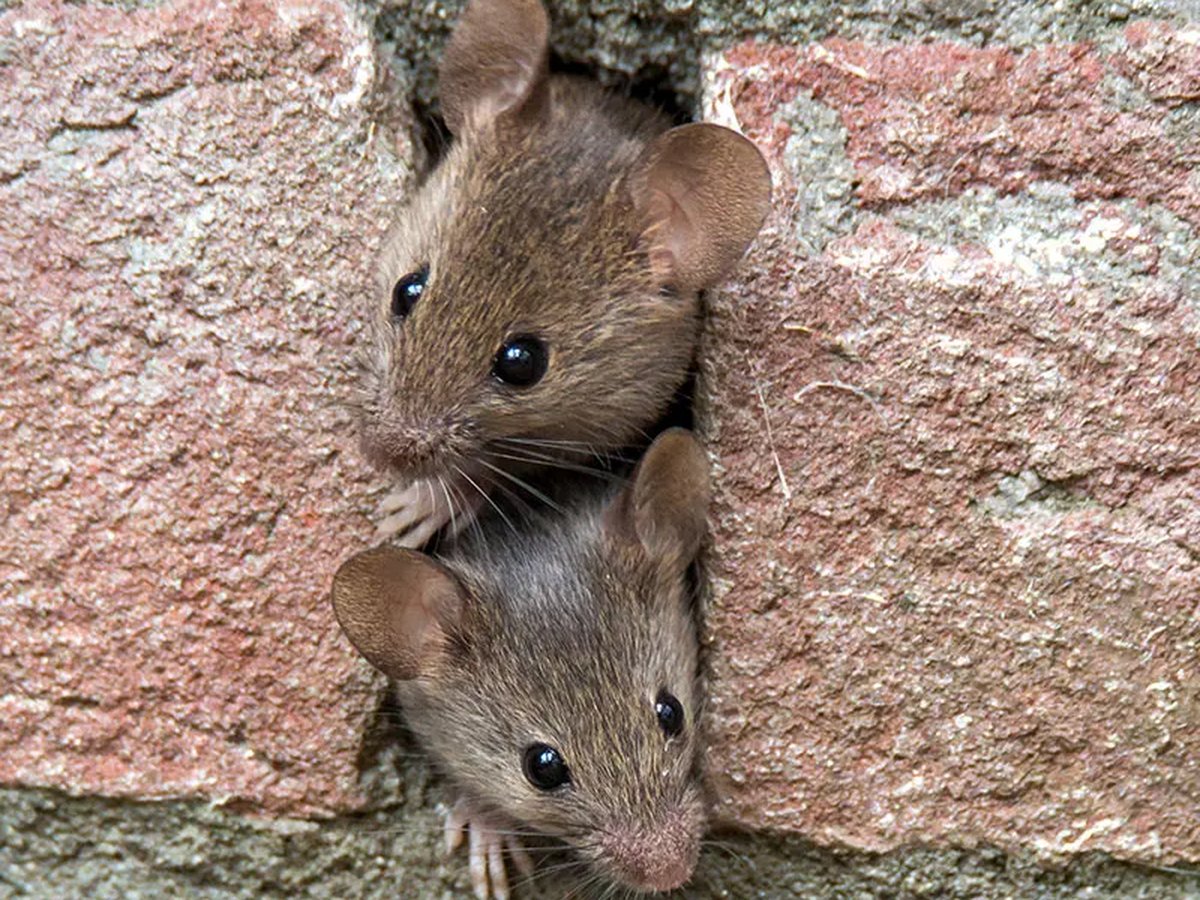
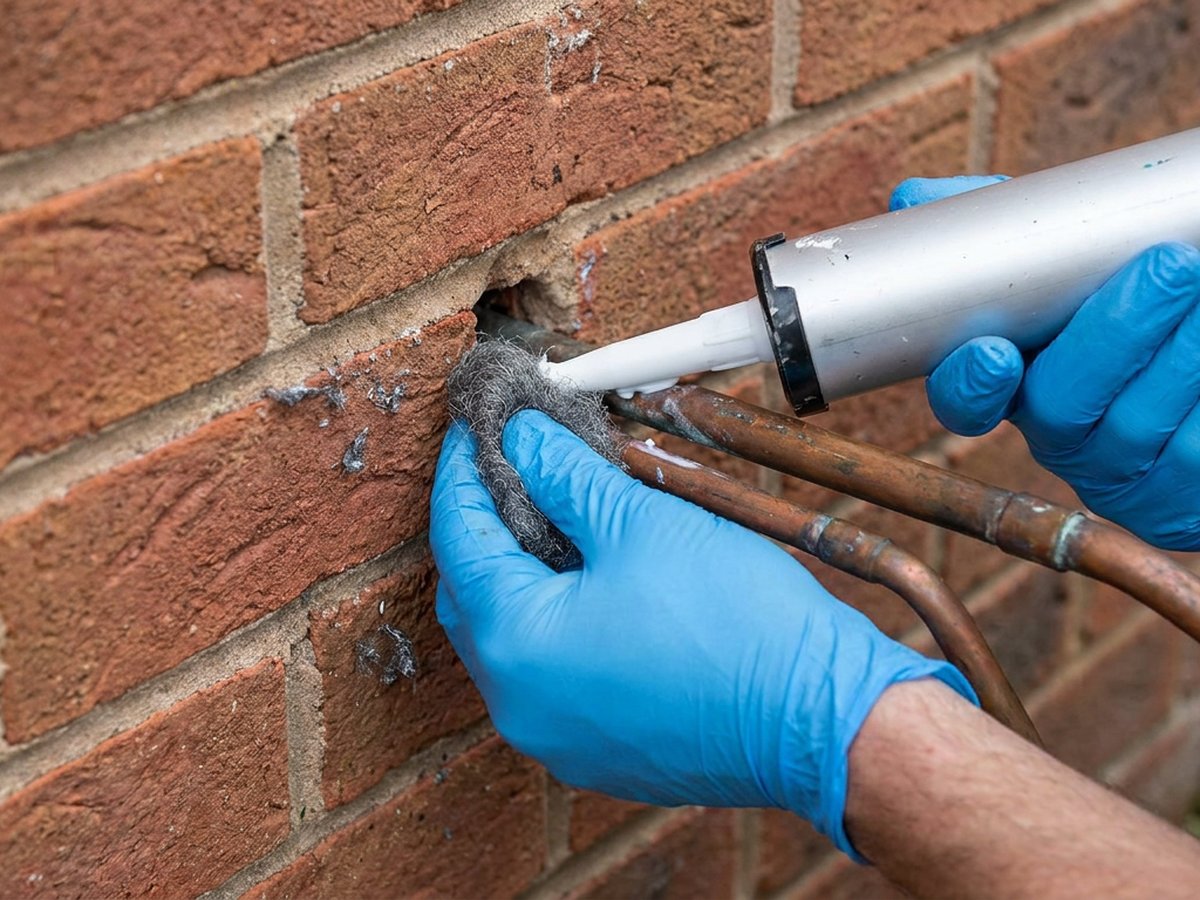
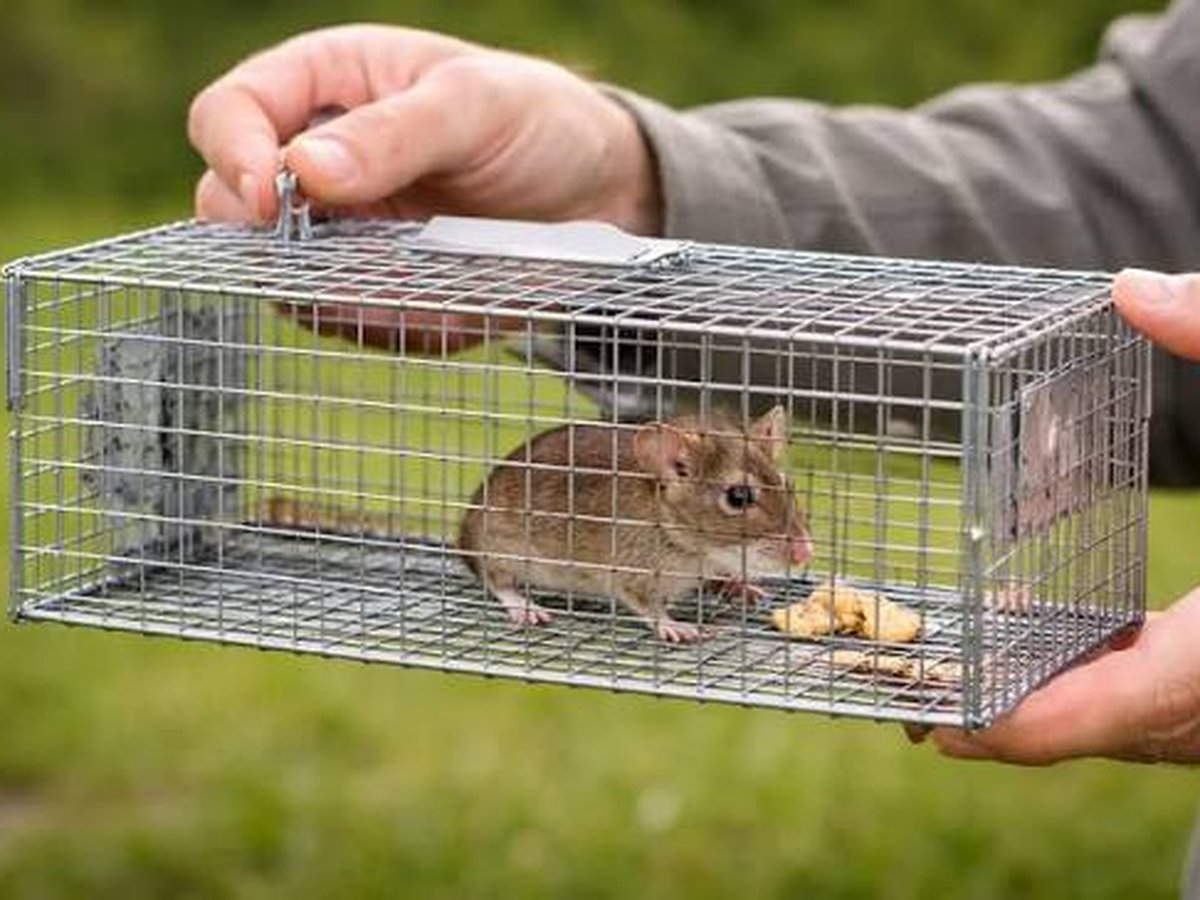
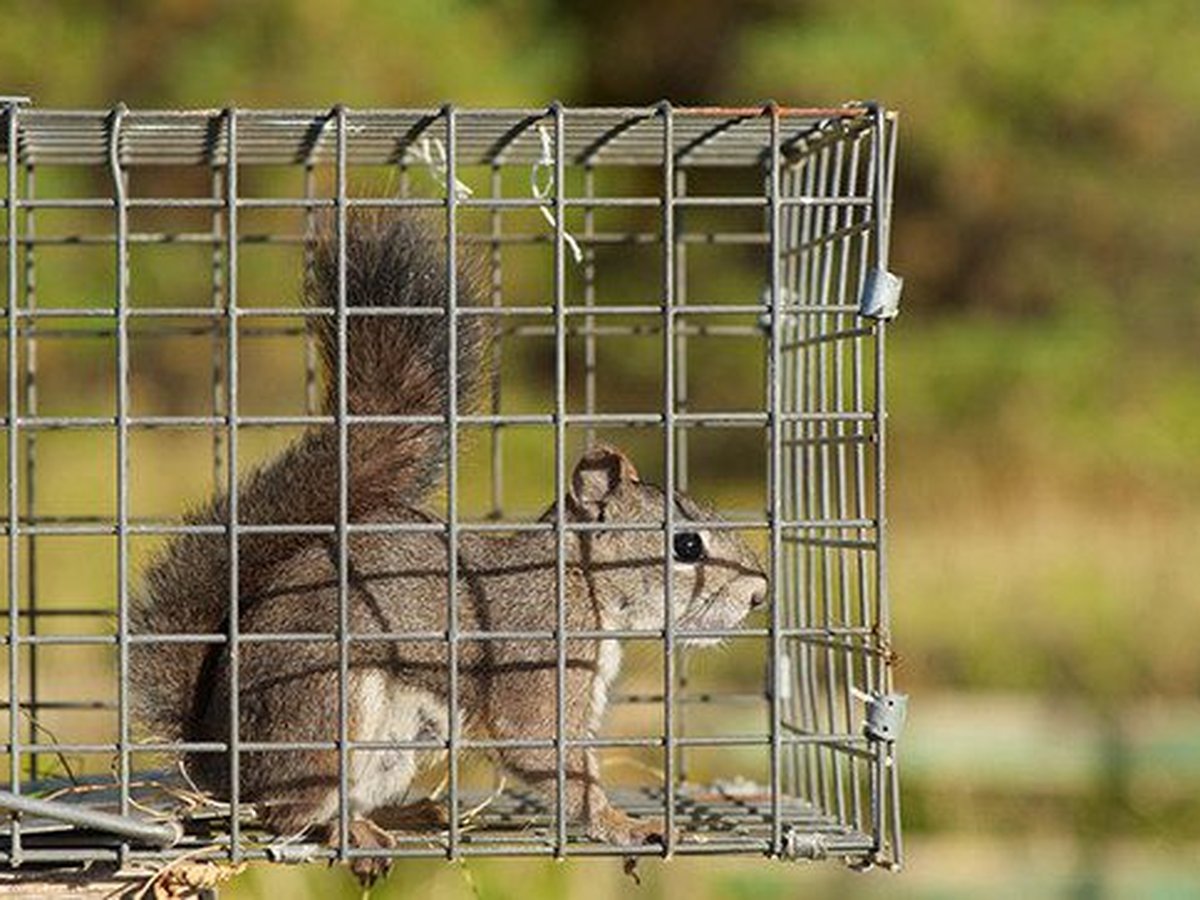
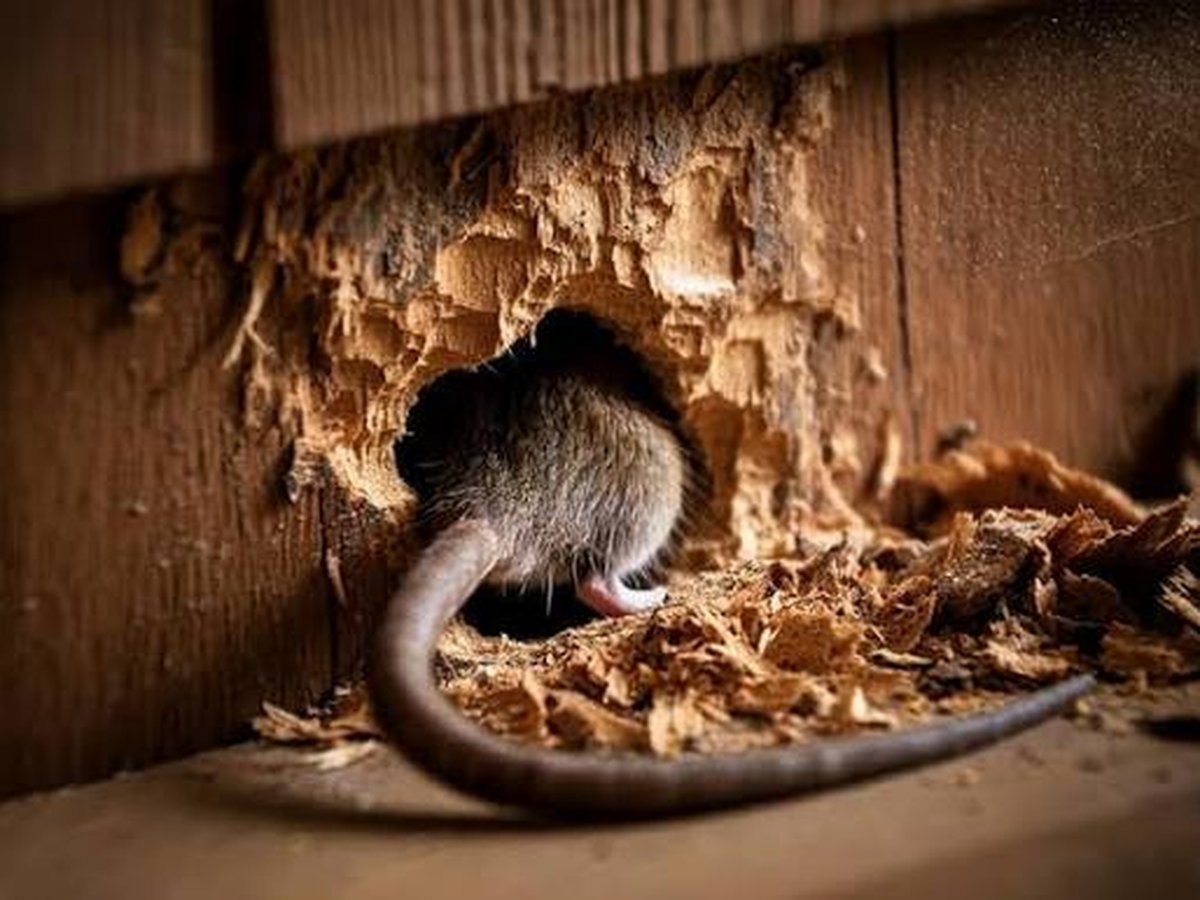
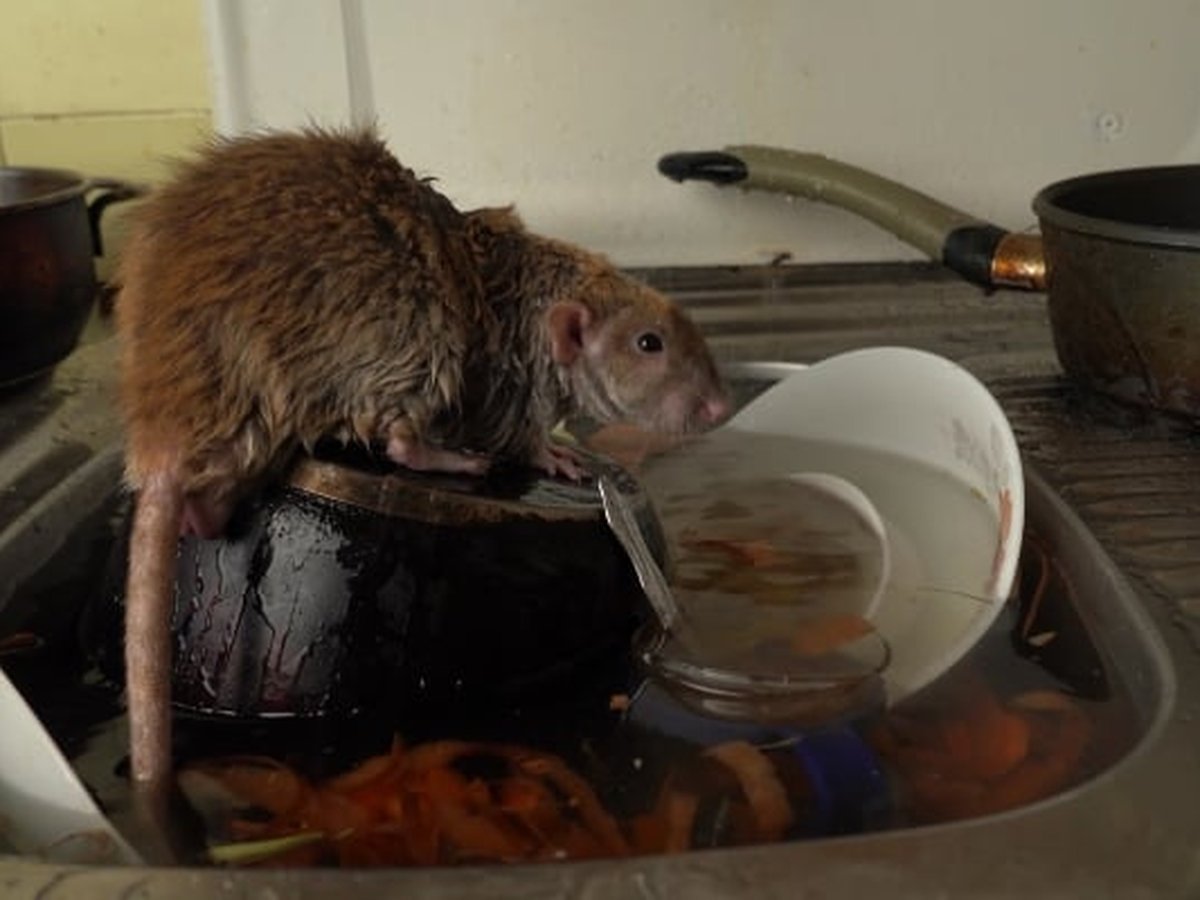
Rats, mice, and squirrels trapped and traced to the crawl space vent, slab gap, or roofline they actually used β then sealed out for good. Serving Memphis and the tri-state Mid-South.
* Indicates required field
Memphis is the rare metro where you can drive twenty minutes and go from a 1920s bungalow with an honest-to-goodness dirt crawl space to a five-year-old slab home, and cross two state lines doing it. That mix is exactly why we don't run one playbook here. Midtown neighborhoods like Central Gardens, Cooper-Young, and Vollintine Evergreen sit on pier-and-beam foundations with open or half-sealed crawl spaces, some with a real basement dug into the higher ground near the bluff β a rarity for the South, but Memphis has always been a little different that way. Head out toward Cordova, Southaven, or Olive Branch and it's almost all slab-on-grade, with the usual weep holes, garage seals, and utility penetrations doing the work a crawl space vent would do elsewhere.
The ground under all of it matters more than most homeowners realize. Memphis sits on a thick layer of loess β wind-blown silt deposited along the bluff over thousands of years β which gives way to heavier Mississippi River-bottom clay as you move toward lower ground near the river and its tributaries. Both shift with the weather, and that movement is what opens up gaps at brick veneer, sill plates, and foundation vents on homes that were tight when they were built. Add a humid subtropical climate that runs hot and muggy for most of the year, punctuated by real hard freezes most winters, and you get a rodent season that's driven from both directions β summer heat pushing rats and mice toward shade and water, winter cold pushing them indoors for warmth, in a way that neither a pure Southern climate nor a pure Northern one quite matches.
Then there's the part of Memphis that's genuinely unlike almost anywhere else we could be based: this metro spans three states. Shelby County sits in Tennessee, but Southaven, Olive Branch, and Horn Lake are Mississippi, and West Memphis is across the river in Arkansas β all of it one continuous, tightly connected labor and housing market, and all of it home to us. Memphis is also a major logistics hub β FedEx runs its global superhub out of the airport here β which means a real share of our work is commercial, in warehouses and distribution facilities as well as houses. Whether you're in a century-old Midtown home with a crawl space, a brand-new build in DeSoto County, or a warehouse near the airport, we start with an actual inspection, trap what's active, and seal every entry point with hardware cloth, galvanized flashing, and mortar β never foam or steel wool alone. Call (877) 240-9073 for a free inspection anywhere in the Mid-South.
We're a locally owned rodent control company built around Memphis and the tri-state Mid-South, run by technicians who got tired of watching homeowners re-up a bait subscription year after year while the actual gap in the foundation or roofline sat wide open the entire time. Our approach leads with exclusion β permanently sealing entry points with hardware cloth, galvanized flashing, and mortar patching β because trapping by itself only ever deals with what's already inside the house.
Every technician on our crew is trained on the specific building stock this region actually has: pier-and-beam crawl spaces and the occasional basement in Midtown and older East Memphis homes, slab construction throughout the newer suburbs on both sides of the state line, and the loess and river-clay soil movement that keeps opening new gaps on houses of every age. We carry the low-profile tools needed to work a tight, decades-old Memphis crawl space and the ladder rigs needed for a two-story roofline in Collierville or Southaven.
Rodent pressure doesn't look the same in Vollintine Evergreen as it does in Lakeland, and we don't pretend it does. Older, tree-shaded neighborhoods close to the bluff have decades-old foundation vents, settled sill plates, and mature landscaping that gives Norway rats cover right up against the house. Newer, fast-growing suburbs in Cordova, Southaven, and Olive Branch trade that for tighter slab construction β but production-schedule framing crews routinely leave gaps around HVAC lines, plumbing stacks, and dryer vents that a mouse can use on a house that isn't even five years old.
We size the job to the house and the state it's sitting in, not a flat-rate package that assumes every Mid-South home is built the same way. That means a straightforward trapping-and-sealing visit for a home with one obvious gap, or a full crawl space and attic program for a house that's had rodents running the insulation for a season. Either way, you get a written scope before anything starts, and a warranty on the exclusion work itself, whether you're calling from Midtown Memphis, Southaven, or West Memphis.
An in-depth look at how we handle each one.

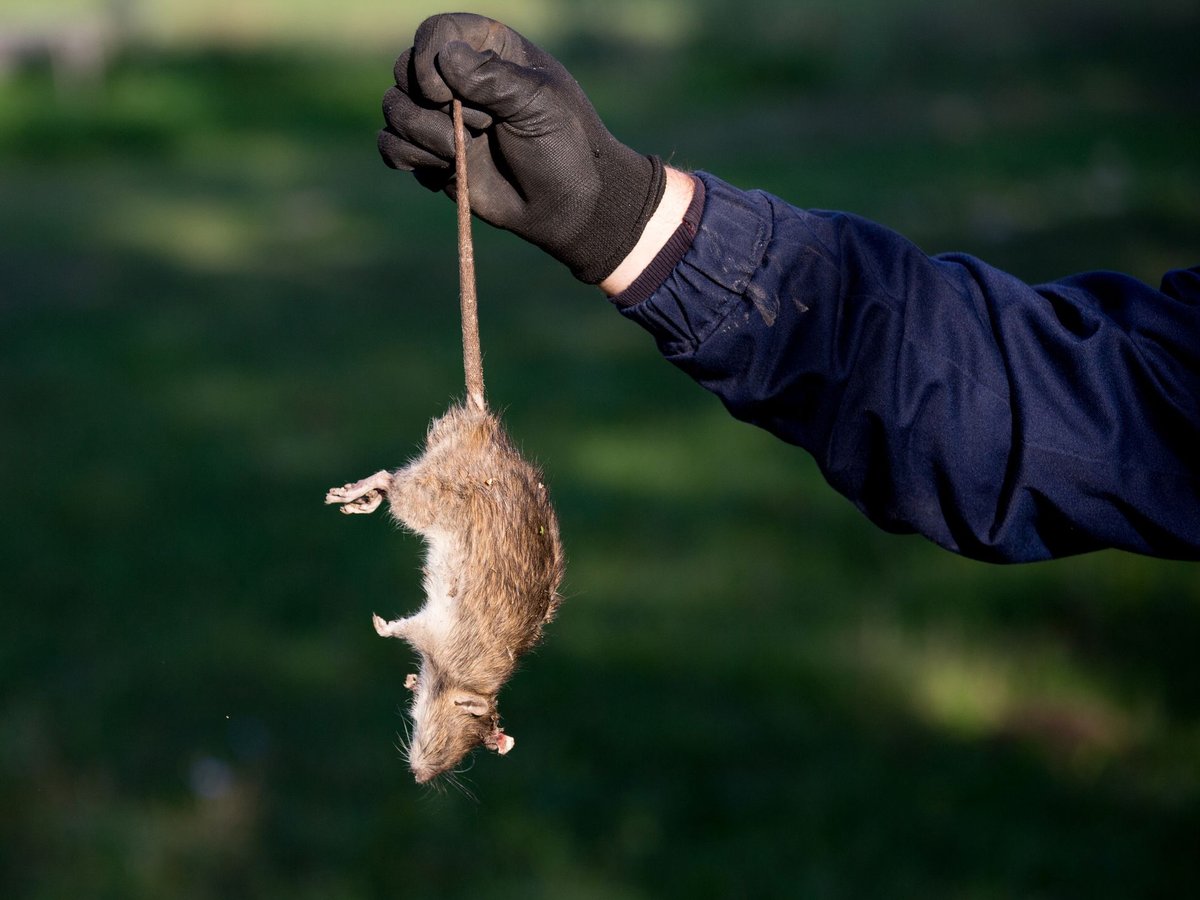
Rats in the attic, crawl space, or yard β identified, trapped, and locked out through the exact gap they're using.
A standard rat removal visit covers trapping the active population and sealing every entry point that inspection turns up that day. It doesn't automatically include a full attic insulation cleanup or a crawl space encapsulation β those get scoped and quoted as their own service once we know how much contamination or moisture damage the rat problem actually left behind. We'll flag either on the spot if it looks warranted, but you're never billed for it without a separate, itemized quote first.
A lot of the cheap quotes we hear about skip the inspection entirely, drop a few traps or some bait, and leave without ever checking the crawl space or getting on a ladder to look at the roofline β which is exactly why the same Memphis address so often calls around again within a season. We inspect the full exterior, attic, and crawl space or basement every time, and we won't quote sealing work sight-unseen just to win a job on price.
Every entry point we seal is covered by a workmanship warranty for a set period after the job. If rats find their way back in through a spot we already closed, we return and fix it at no additional charge β that's different from a brand-new gap that opens up somewhere else after foundation settling or storm damage, which we'd treat as its own job. We also schedule a follow-up check after trapping wraps up to confirm activity has actually stopped, rather than closing the file the first time traps go a few days without a catch.

Mice in the kitchen, pantry, or walls β traced to every entry point they're using and locked out.
Every gap we seal during a mouse job carries a workmanship warranty for a set period afterward. If mice reopen or find a new way through a point we already sealed, we come back and fix it at no charge β the warranty covers the sealing work itself, not an entirely new opening that develops somewhere else on the home, such as after a repair disturbs an unrelated part of the foundation or roofline.
A technician starts outside at the crawl space vents, foundation line, and utility penetrations before ever stepping inside, then moves through the kitchen, pantry, and any rooms with reported activity checking for droppings and gnaw marks. You'll get a plain-language rundown of what was found on the spot, followed by a written quote covering trapping and sealing before any work actually begins β no pressure to add services the inspection didn't support.
This service solves the active mouse problem in front of you right now β trapping what's there and sealing the specific gaps letting it in. It's a narrower scope than our whole-home rodent-proofing service, which checks and seals the entire building envelope proactively whether or not there's current activity, and tends to make more sense once this problem is resolved and you want to keep it from coming back through a different gap.

The permanent fix: every rat- and mouse-sized gap in your home's envelope, sealed with materials rodents can't chew through.
Late summer, before the fall cool-down starts pushing rodents to look for a way indoors, is the best time to get exclusion scheduled β gaps get sealed before the seasonal push rather than after something's already found a way in and built a nest. Early spring is the second-best window, closing off whatever winter weather or soil movement opened up before a new season of litters starts testing the perimeter.
We start with a ground-level walk of the exterior, then move to a ladder for the roofline, soffits, and gable vents, checking the crawl space or basement and attic from inside as we go. A straightforward job on a newer home with a handful of gaps often gets fully sealed the same visit; a full-envelope project on an older home with more extensive roofline or foundation work sometimes runs longer or gets split across a return visit.
We don't disappear the moment the last seal goes in. On larger, multi-point jobs, we can schedule a courtesy follow-up a few weeks out to confirm nothing's shown fresh gnaw marks near a new seal and that materials have held up through a heat wave or heavy rain in between β catching a problem early rather than waiting for the warranty to be invoked months later.

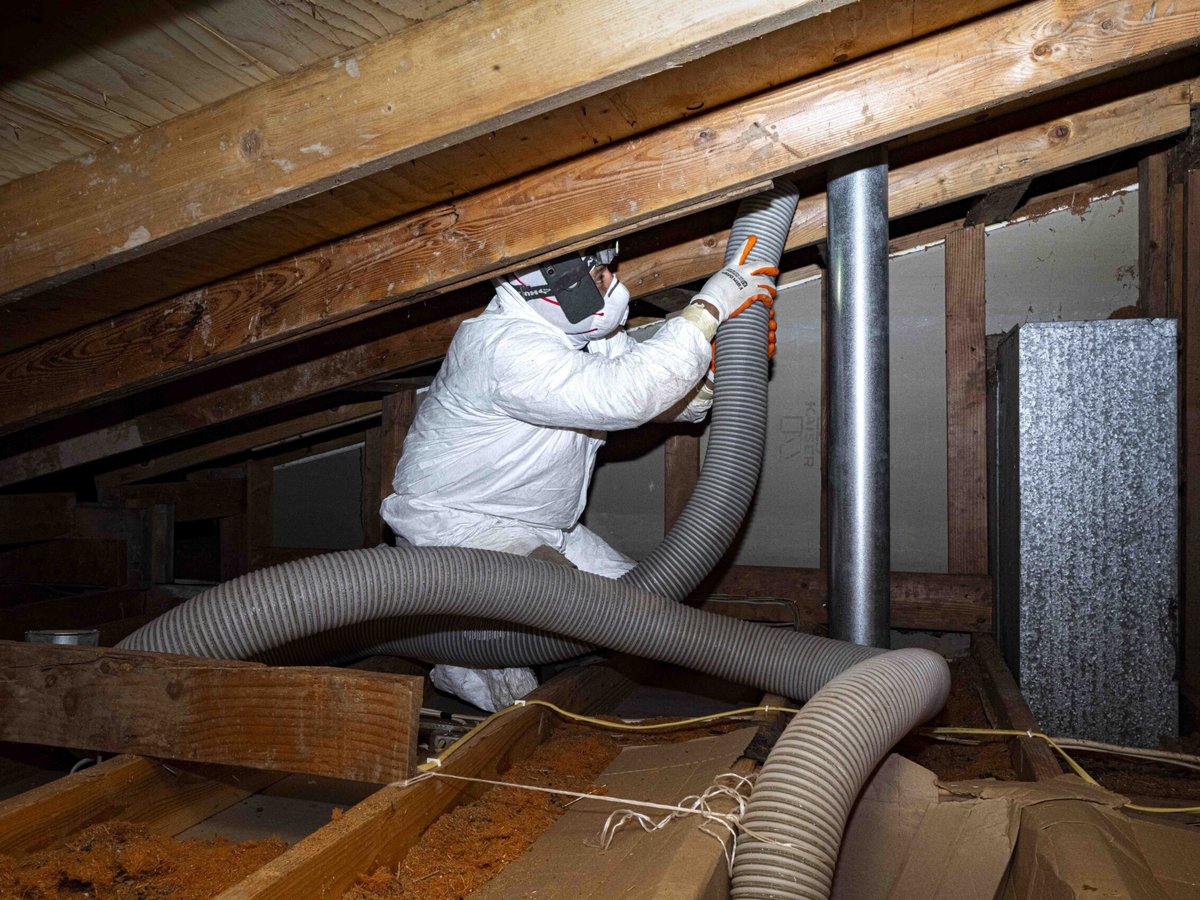
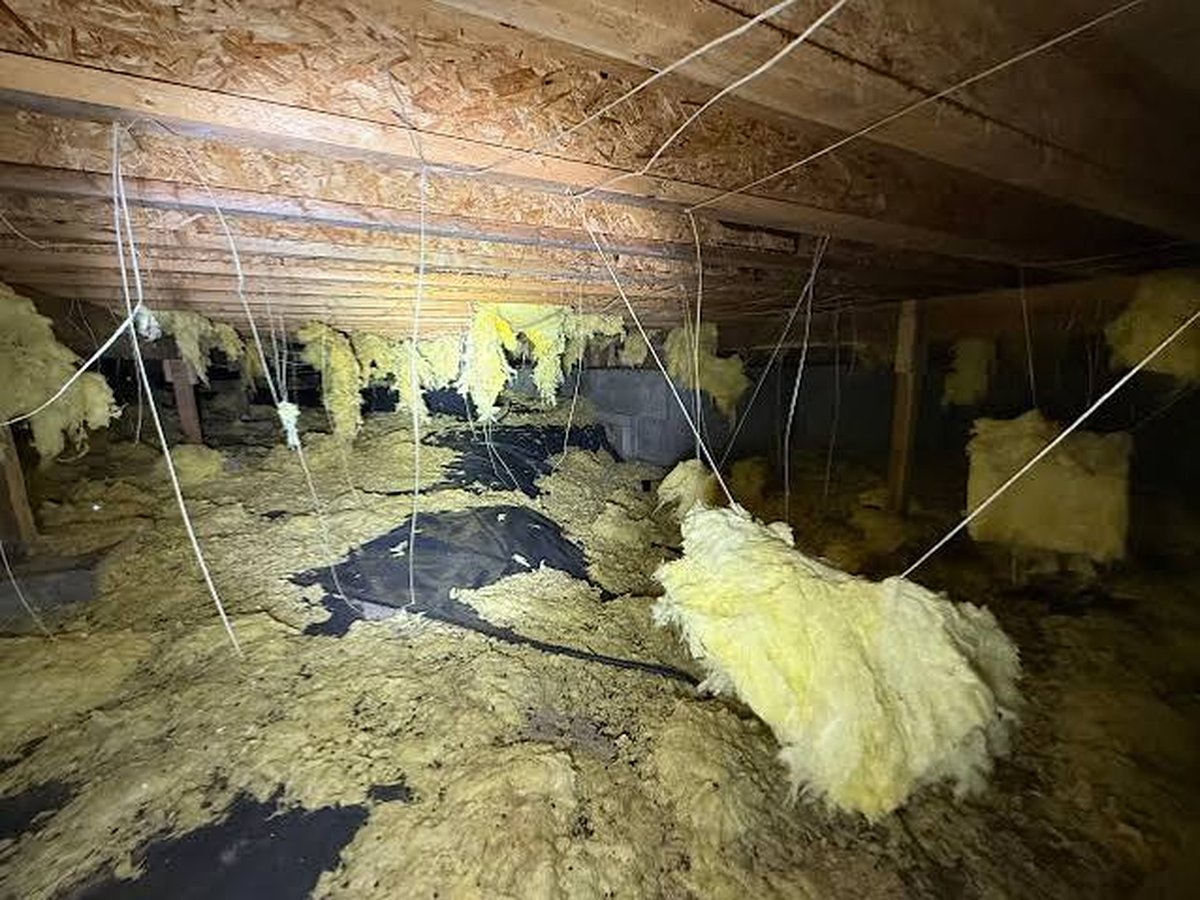
Rodent-contaminated insulation removed, the attic deep-cleaned and sanitized, and fresh insulation installed.
The sanitizing and re-insulation work carries a workmanship warranty for a set period after the job. If odor or contamination resurfaces from an area we treated, we return and address it at no additional cost β a guarantee that covers the cleanup itself, separate from the exclusion warranty covering whatever entry point let the animals in originally, since those are two different pieces of work with two different failure modes.
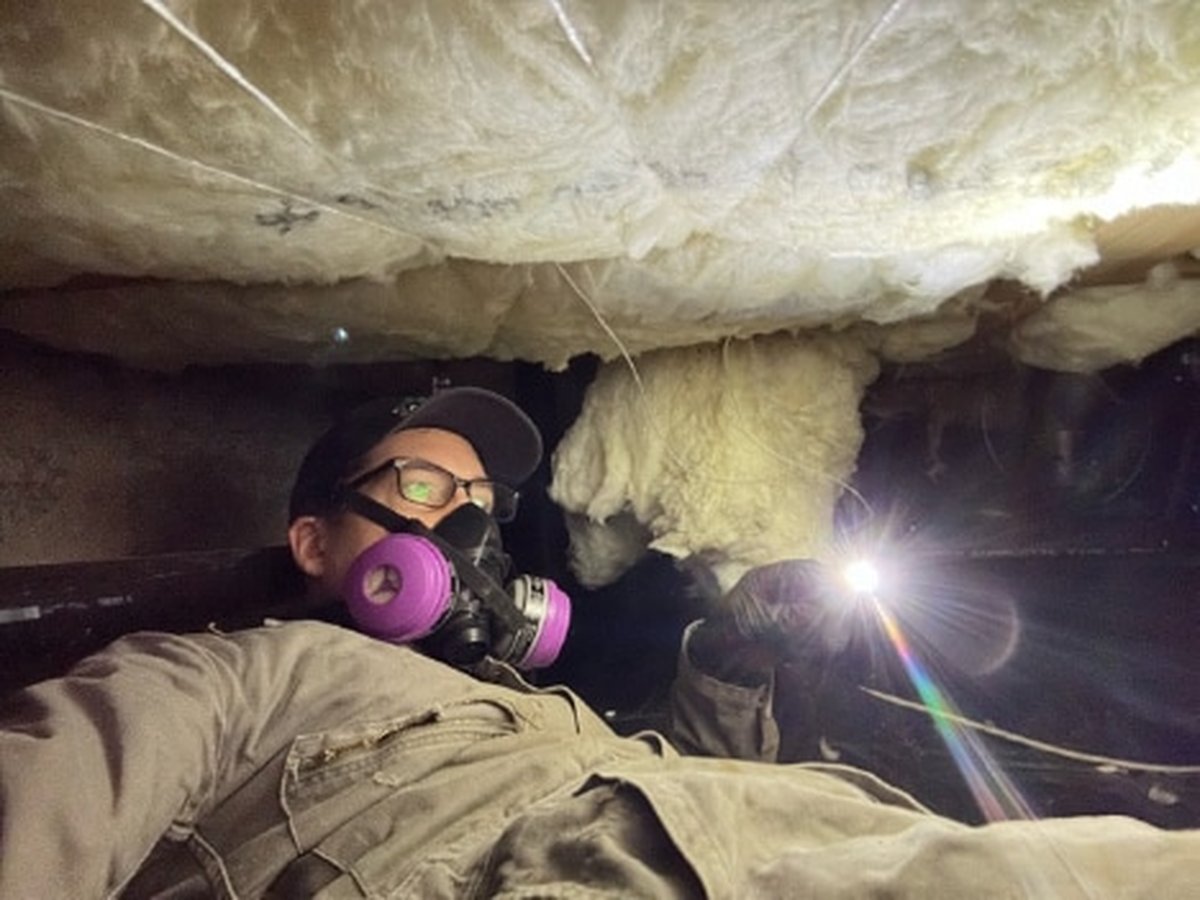
Beyond the physical difficulty of working a low-clearance attic that can hit 130 degrees on a summer afternoon, contaminated insulation and droppings need proper bagging and disposal, and rodent droppings can carry salmonella and other pathogens if disturbed and inhaled without protection. We use PPE and HEPA equipment for exactly this reason β it isn't a job where a shop vac and an open attic vent are an adequate substitute.
A standard cleanup covers removing contaminated insulation, sanitizing the deck and framing, treating odor, and installing new insulation to restore lost R-value. It doesn't include electrical repair β we flag gnawed wiring for a licensed electrician rather than fixing it ourselves β or duct repair, even though a chewed duct run sometimes needs its own dedicated attention, which we'll point you toward a qualified HVAC contractor for.

Professional-grade trapping β placed where activity actually is, checked on a schedule, and tracked until it's gone.
If activity picks back up within a set window after we've confirmed a trapping program is finished, we come back and resume checks at no additional visit charge, provided no new entry point has opened up in the meantime. The guarantee covers the trapping outcome itself, not a fresh infestation coming in through a gap that wasn't part of the original job, which we'd scope and quote as its own exclusion project.
Starting before the fall surge, in late summer, generally means a smaller, fresher population and a shorter program overall. Starting mid-winter, once a colony has had months to establish and breed indoors through Memphis's mild spells, usually means more visits and a longer timeline before activity drops to zero β timing the start earlier in the season works in your favor either way.
A check visit is quick by design β a technician walks directly to each placement, notes any catch or fresh activity, resets or repositions as needed, and logs it all before heading to the next spot. Most residential check-ins take well under twenty minutes unless something in the data suggests a placement needs to move.

Squirrels in the attic or roofline β removed with a one-way exclusion door, never trapped indoors and left.
Once a roofline entry point is sealed, that seal is covered under our workmanship warranty. If squirrels reopen or find a way back through a point we closed, we return and fix it at no charge for the length of the warranty β a separate guarantee from the one-way door and monitoring phase, which we don't consider finished until activity has actually stopped.
Mothballs, ultrasonic repellent devices, and predator-scent granules sold for squirrel control mostly underperform in an actual attic, where ventilation dilutes any scent-based deterrent quickly and a squirrel with an established nest tends to tolerate noise or smell it would otherwise avoid outdoors. They also do nothing about the entry point itself, which is the part that actually needs to close.
A straightforward job with no litter present can sometimes go from inspection to final seal in a matter of days. When pups are involved, the one-way door phase alone can take a week or more, since we wait for confirmed activity to stop rather than sealing on a fixed schedule β the timeline follows the animals, not the calendar.

Proactive, whole-home protection β sealed now, checked seasonally, so rodents never get a foothold.
A proactive rodent-proofing visit typically costs meaningfully less than an active infestation job, since there's no trapping phase, no contaminated insulation, and no odor treatment involved β just inspection and sealing. That price gap is the whole argument for doing it before a problem starts rather than after.
Sometimes a proactive inspection turns up signs that rodents have already been active, even without a homeowner having noticed. When that happens, we stop and give you a clear, separate quote for whatever removal or cleanup work is actually needed rather than folding it into the rodent-proofing price without telling you first.
Every point sealed during a rodent-proofing visit carries the same workmanship warranty as our active exclusion work. If a rodent finds its way through a spot we already sealed, we return and fix it at no charge, whether that home has since had an active infestation or not.

Health-code-ready rodent control for restaurants, warehouses, and distribution facilities, with a service log for every visit.
A commercial inspection includes dock areas, dumpster enclosures, shared utility chases with neighboring tenants, and any grease management infrastructure, none of which come up on a typical home visit. We also review placement against local code requirements for bait station location in a food-service or public-facing setting, which residential work doesn't need to account for.
Property managers, corporate offices, and health-department-regulated businesses often require proof of licensing and insurance before approving a vendor. We provide certificates of insurance and Tennessee pest control licensing documentation directly to a property manager or corporate compliance office as part of onboarding a new commercial account, without holding up the start of service.
If a health inspector or property manager flags rodent sign between scheduled service visits, commercial accounts get priority scheduling for a same-week follow-up rather than waiting for the next routine check β a documented, timely response matters for compliance purposes in a way it doesn't for a typical residential job.

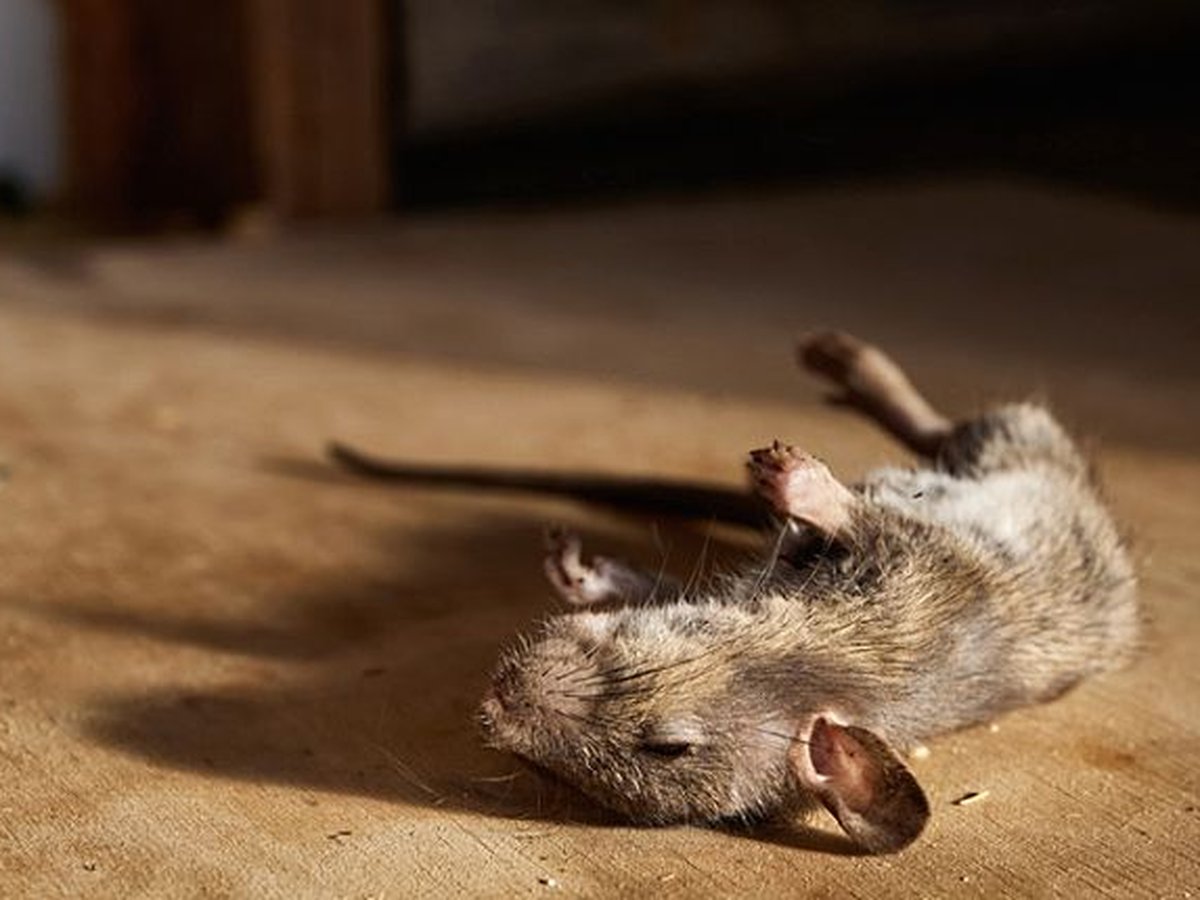
A dead rodent smell in a wall, attic, or crawl space β located, removed, and the odor actually eliminated.
Pricing depends mainly on how difficult the location is to access β a carcass visible in an open attic or crawl space costs considerably less to remove than one buried deep in a wall cavity requiring a small access cut and thermal imaging to locate. We give you a clear estimate once we've narrowed down the likely location, rather than a flat fee that doesn't reflect the actual difficulty of the search.
Because odor intensity climbs quickly in Memphis's heat, we prioritize same-day service for dead rodent calls whenever the schedule allows, rather than treating it as a routine appointment that can wait a few days. A smell that's tolerable on day one can become genuinely unlivable in a small room or a poorly ventilated space within 48 to 72 hours during summer.
Store-bought odor solutions mask a smell rather than eliminate its source, and an unaddressed carcass keeps producing odor-causing bacteria the whole time a room deodorizer or ozone machine is running. We've been called in after homeowners spent weeks running an ozone generator on a problem that a two-hour search and removal would have solved outright.

A complete rodent inspection with a written, photo-documented report β for a real problem, a real estate transaction, or peace of mind.
The report includes dated photos of every area inspected, a summary of findings by location, species identification where evidence allows it, and clear next-step recommendations if any are warranted. It's built to stand on its own β readable by a homeowner, a real estate agent, or an insurance adjuster without needing us to interpret it verbally afterward.
Some homeowners want a standalone assessment before deciding on anything further, which we're glad to provide with zero pressure to book more. Others prefer to have minor, obvious gaps sealed on the spot during the same visit if the inspection turns up something simple, which we offer as an optional add-on priced separately and only with your go-ahead.
A typical single-family home inspection covering the roofline, attic, and crawl space or basement runs about 45 minutes to an hour. Larger, older homes with more complex rooflines, additions, or multiple crawl space access points can take longer, and we'll give you a realistic estimate of visit length before we arrive based on the property's size and age.

Crawl space rodent control built for Memphis's pier-and-beam housing stock β not an afterthought bolted onto an attic job.
Every foundation vent, sill plate gap, and crawl space access point we seal carries our workmanship warranty. If rodents find their way back in through a point we already closed, we return and fix it at no additional charge β separate from a new gap that opens elsewhere due to ongoing foundation settling, which we'd treat and quote as its own follow-up job.
Beyond the physical difficulty of navigating a tight, low-clearance, often damp crawl space, there's a real risk of disturbing contaminated dirt or old insulation without proper protection, and misdiagnosing a moisture issue as purely a rodent problem β or vice versa β leads to money spent on the wrong fix. We carry the low-profile equipment and PPE this work actually requires, and we're honest when a problem is bigger than pest control alone can solve.
Both deal with rodents, but the environment, tools, and typical species differ β Norway rats and mice dominate crawl space activity, while roof rats and squirrels are more common in an attic. Trap placement, exclusion materials, and even the moisture considerations are different enough that we scope and price the two separately rather than treating a whole-house rodent job as one undifferentiated service, even when both areas need attention on the same property.

An active rodent emergency β a restaurant inspection tomorrow, wiring damage, a sudden infestation β handled fast.
We keep a portion of daily capacity open specifically for emergency and same-day calls rather than booking every technician's schedule solid in advance. When you call, we'll ask a few quick questions to gauge urgency and give you a realistic arrival window the same day, prioritizing wiring damage, commercial health-inspection situations, and heavy active infestations above routine scheduling requests.
Emergency and same-day response can carry a premium over standard scheduled service, reflecting the priority placement in the day's schedule, and we tell you that upfront on the phone before dispatching a technician, not after the visit. Once the immediate emergency is addressed, follow-up trapping and exclusion work is quoted the same way as any standard job.
Resolving the immediate emergency β trapping active animals, addressing dangerous wiring damage, satisfying an inspector's concern β is only the first step. We follow every emergency call with the same thorough entry-point inspection and exclusion recommendation as a standard job, since an emergency call that just treats the symptom tends to become a repeat emergency call within a season.
Proudly providing rodent control across the region:
Cost depends mainly on how many entry points need sealing and whether the population is fresh or already established β a single sealed weep hole or foundation vent costs far less than a full crawl space or attic cleanup with multiple exclusion points. We inspect first and give you a straightforward, written price before any work starts, so there's never a surprise bill.
Yes. Same-day inspections are usually available across Memphis and Shelby County, and into the surrounding Mississippi and Arkansas suburbs. Active infestations or urgent situations β an animal loose inside, chewed wiring, a commercial kitchen sighting β get priority scheduling. Call (877) 240-9073 and we'll give you a realistic window.
Not usually. Trapping clears out the rodents that are already inside, but if the gap they used to get in stays open, new rodents typically find it within weeks or months. We pair trapping with exclusion β permanently sealing the entry point β because that combination is what actually stops a problem from coming back.
Yes. We use enclosed, tamper-resistant bait stations for any outdoor or accessible placement, and place indoor traps only in areas pets and kids can't reach. We walk through every placement location with you before we leave, so you know exactly what's where and why.
New construction isn't automatically rodent-proof. Fast-growing suburbs like Cordova, Southaven, and Olive Branch have production-built slab homes where framing and trade crews commonly leave small unsealed gaps around HVAC line sets, plumbing stacks, and dryer vents β more than enough room for a mouse, and sometimes a rat, even in a house that's only a year or two old.
Mice are active mostly at night and leave small, dime-sized entry gaps and light droppings. Rats are also mostly nocturnal but larger, with bigger droppings and gnaw marks, and either burrow at ground level (Norway rats) or climb rooflines using trees and power lines (roof rats). Squirrels are active during the day, sound heavier moving around, and leave larger gnaw marks and bigger entry holes, often near a damaged fascia board or roof vent.
Yes. Memphis has a genuinely mixed housing stock β pier-and-beam crawl spaces and the occasional real basement in older neighborhoods like Midtown, alongside slab-on-grade construction across most of the newer suburbs on both sides of the state line. We carry the tools and know the differences needed to inspect and seal both foundation types properly, and we service the whole tri-state metro β Shelby County in Tennessee, DeSoto County cities like Southaven, Olive Branch, and Horn Lake in Mississippi, and West Memphis across the river in Arkansas β as one connected area rather than stopping at a state line.
Fast response, upfront pricing, and friendly local pros. Call now for a free quote.
π Call (877) 240-9073